How the Biodiesel Industry Uses Waste Cooking Oil
Turning a Kitchen Waste Problem into a Renewable Energy Solution
Every commercial kitchen produces it. Every day. Used cooking oil.
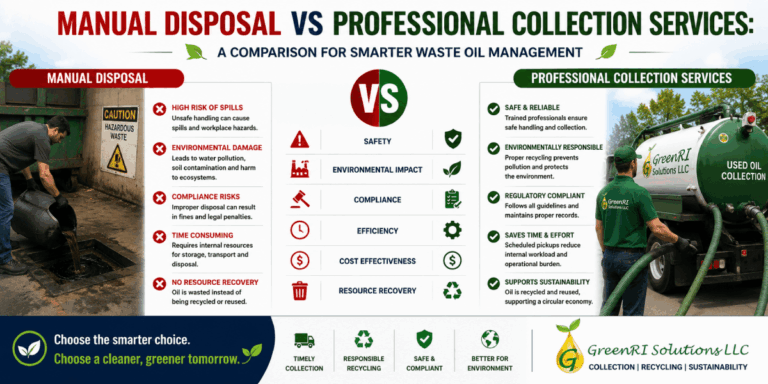
For many restaurants and food businesses, this waste feels like a routine cleanup task. But improper disposal—especially pouring oil down drains—can lead to serious problems. It blocks pipelines, damages plumbing systems, and contributes to large-scale sewer issues caused by fats, oils, and grease (FOG).
The environmental impact is just as concerning. When waste cooking oil enters water systems, it forms surface layers that reduce oxygen levels and harm aquatic life. What seems like a small act in the kitchen can quickly become a large environmental burden.
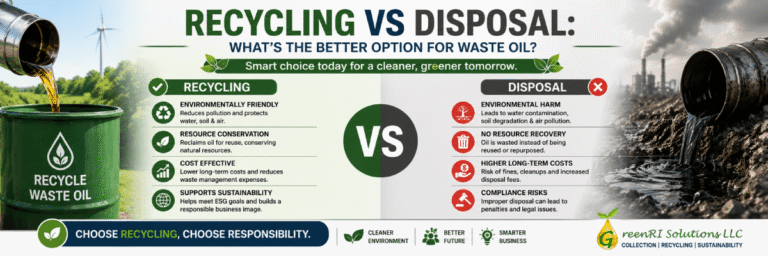
But here’s the shift: waste cooking oil is not just waste anymore.
The biodiesel industry has transformed this everyday byproduct into a valuable renewable resource. Instead of being discarded, used cooking oil can be collected, processed, and converted into biodiesel—a cleaner-burning alternative to traditional fossil fuels.
This blog will walk you through how the biodiesel industry uses waste cooking oil, the step-by-step conversion process, and how businesses can turn a disposal problem into a sustainable, revenue-generating solution.
What is Waste Cooking Oil (UCO) and Why It Matters
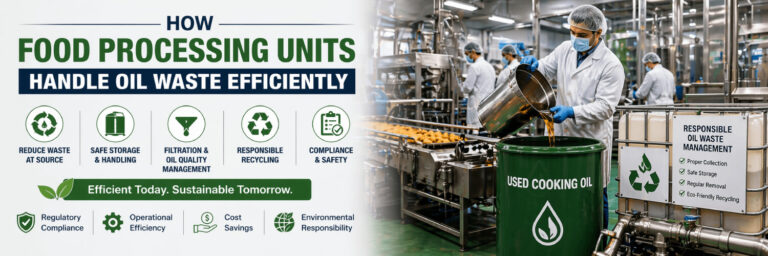
Waste Cooking Oil (UCO) is the oil left behind after repeated use in cooking and frying. It comes from restaurants, street food vendors, food processing units, and even households. In commercial kitchens, large volumes of UCO are generated daily.
At first glance, it may seem harmless. But once oil degrades due to heat and repeated use, it becomes unsuitable for cooking and difficult to dispose of safely.
The real problem begins when UCO is handled the wrong way.
When poured into drains, it cools and solidifies. Over time, it sticks to pipe walls and combines with other waste to form stubborn blockages. These accumulations—commonly known as fats, oils, and grease (FOG)—can choke entire drainage systems and lead to costly repairs.
Improper disposal also affects the environment. When waste oil enters water bodies, it forms a thin layer on the surface. This layer reduces oxygen exchange and disrupts aquatic ecosystems.
But here’s the opportunity.
UCO is not just waste—it is a valuable industrial feedstock. With proper collection and processing, it can be reused in the biodiesel industry to produce clean, renewable fuel.
Understanding this shift—from waste to resource—is the first step toward better oil management and long-term sustainability.
The Role of the Biodiesel Industry in UCO Recycling
The biodiesel industry plays a critical role in converting waste cooking oil into a usable energy source. Instead of relying only on fresh vegetable oils, modern biodiesel producers increasingly use UCO as a primary raw material.
This shift solves two problems at once.
First, it reduces the burden of waste disposal for restaurants and food businesses. Second, it provides the industry with a cost-effective and sustainable feedstock for fuel production.
Biodiesel itself is a renewable fuel made from organic oils and fats. It can be used in diesel engines with little or no modification. Compared to fossil fuels, it burns cleaner and produces fewer harmful emissions.
Using UCO makes this process even more efficient.
Fresh vegetable oil is expensive and resource-intensive to produce. In contrast, waste cooking oil is already available in large quantities. By redirecting this waste into fuel production, the industry reduces raw material costs and improves overall sustainability.
This model is a clear example of a circular economy in action:
Nothing is wasted. Value is created at every stage.
For businesses generating used cooking oil, this creates a practical opportunity. Instead of treating UCO as a disposal problem, they can become part of a structured supply chain that supports renewable energy production.
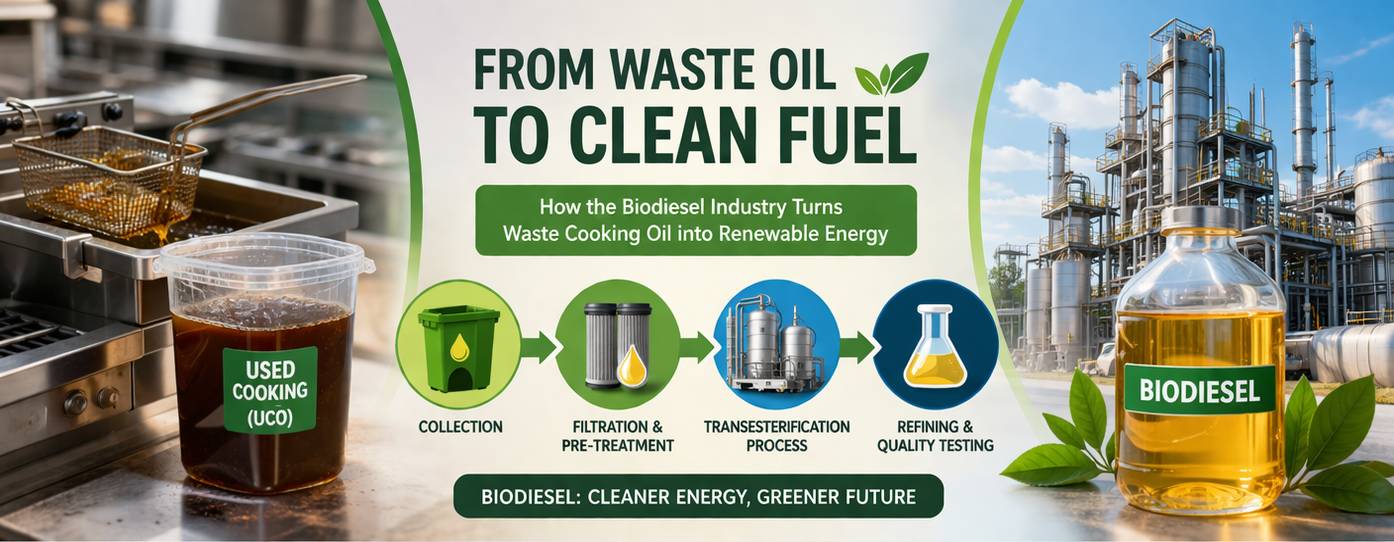
Step-by-Step Process: How Waste Cooking Oil Becomes Biodiesel
Collection and Aggregation
The process begins at the source—restaurants, hotels, and food processing units.
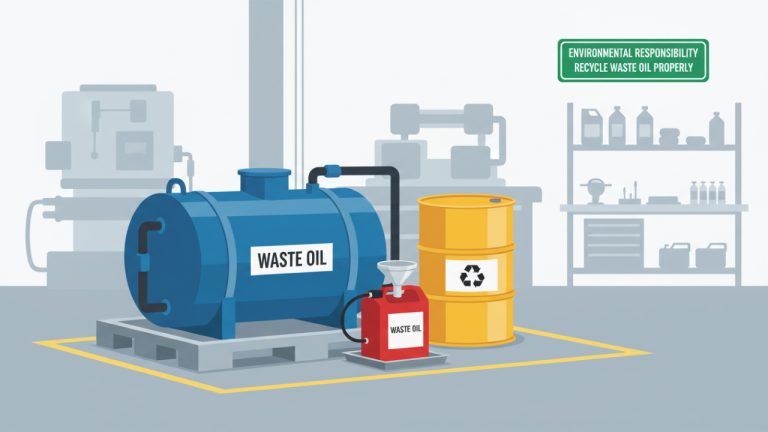
Used cooking oil is collected in dedicated containers and handed over to authorized collectors or aggregators. These collectors transport the oil to processing facilities in bulk.
A well-organized collection system ensures:
Filtration and Pre-Treatment
Raw UCO contains food particles, water, and impurities. These must be removed before processing.
The oil goes through filtration systems to eliminate solid waste. It is then heated or treated to remove moisture and stabilize its quality.
This step is critical because:
Transesterification Process
This is the core conversion step.
In this process, the cleaned oil reacts with an alcohol (usually methanol) in the presence of a catalyst. This chemical reaction breaks down the oil into two main products:
The result is a fuel that can be used in diesel engines.
Refining and Quality Testing
After conversion, the biodiesel is purified to remove any remaining impurities, catalyst residues, or unreacted materials.
It is then tested to meet industry standards for:
Only after passing these checks is the biodiesel ready for storage, distribution, and use.
Key Benefits of Using Waste Cooking Oil for Biodiesel Production
Environmental Benefits
Waste cooking oil often ends up in drains or landfills. Converting it into biodiesel prevents this damage at the source.
Key environmental advantages include:
Biodiesel burns cleaner. It produces fewer particulates and less carbon output, making it a more sustainable fuel choice.
Economic Benefits
For food businesses, waste oil is no longer a cost—it becomes a resource.
Practical economic gains include:
This creates value on both sides of the supply chain.
Regulatory and Compliance Advantages
Governments are tightening rules around waste disposal and promoting renewable energy.
By channeling UCO into biodiesel production, businesses can:
This is not just good practice—it is becoming a requirement in many regions.
Challenges in UCO-to-Biodiesel Conversion (And Practical Solutions)
Inconsistent Oil Quality
Not all used cooking oil is the same. Its quality depends on how often it is reused, cooking temperature, and storage conditions.
Problem:
Solution:
Collection and Logistics Issues
UCO is generated across multiple small and large sources. Without structure, collection becomes inefficient.
Problem:
Solution:
Lack of Awareness Among Generators
Many businesses still treat waste cooking oil as a disposal issue rather than a resource.
Problem:
Solution:
How Businesses Can Participate in the Biodiesel Supply Chain
For Restaurants and Commercial Kitchens
Restaurants are the primary source of waste cooking oil. Small improvements in handling can create real value.
What you can do:
For Entrepreneurs and Aggregators
UCO collection is a growing business opportunity. It connects waste generators with biodiesel producers.
Opportunities include:
For Industrial Buyers and Fleet Operators
Businesses that consume fuel can also close the loop by adopting biodiesel.
How to participate:
Best Practices for Efficient Waste Cooking Oil Management
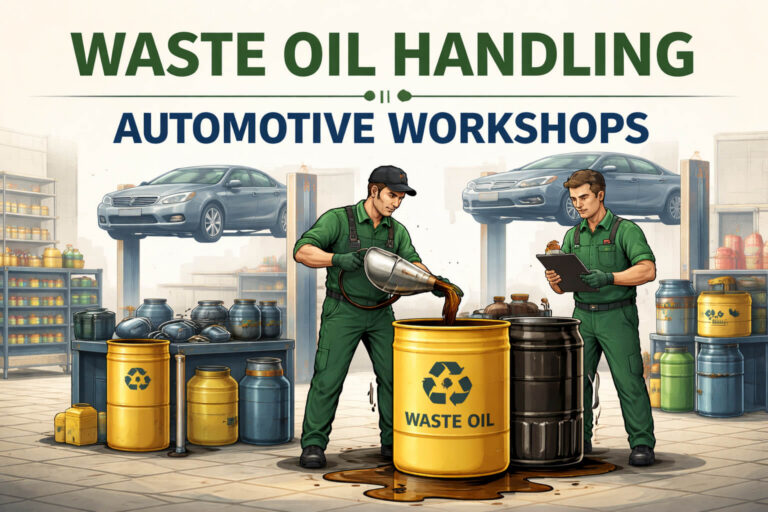
Efficient management of waste cooking oil starts at the source. Simple, consistent practices can improve oil quality, reduce risk, and increase its value in the biodiesel supply chain.
The Future of Biodiesel from Waste Cooking Oil
The demand for cleaner fuels is rising. Governments, industries, and consumers are all pushing for sustainable alternatives. This shift is driving rapid growth in biodiesel made from waste cooking oil.
One clear trend is stronger policy support. Many countries, including India, are promoting biofuels to reduce dependence on fossil fuels. Initiatives like National Biofuel Policy encourage the collection and conversion of UCO into biodiesel. This creates a structured and scalable ecosystem.
Technology is also improving the process.
Modern biodiesel plants now use advanced filtration, automated processing, and better catalysts. These upgrades increase fuel yield, handle variable oil quality, and reduce production costs. As a result, UCO is becoming a more reliable and efficient feedstock.
Another key shift is industry participation.
Large restaurant chains, food brands, and logistics companies are entering the UCO supply chain. They are building partnerships with collectors and biodiesel producers to meet sustainability goals and regulatory requirements.
At the same time, awareness is growing at the ground level. More businesses now understand that waste cooking oil has value. This is increasing collection rates and improving supply consistency.
Looking ahead, the opportunity is clear:
Waste cooking oil is no longer a niche resource. It is becoming a key part of the renewable energy landscape.
Encouragement to Explore Solutions
Managing waste cooking oil does not require complex systems. It starts with the right approach and the right partners.
If your business generates used cooking oil, the first step is to treat it as a resource—not waste. Simple changes like proper storage, basic filtration, and scheduled collection can immediately improve efficiency and value.
The next step is to adopt structured solutions.
Working with reliable collection partners ensures that your oil is handled safely and directed into biodiesel production. This reduces disposal risks, improves compliance, and creates a consistent recovery process.
For businesses looking to optimize further, investing in better handling systems can make a real difference. Clean storage containers, organized collection points, and staff training all contribute to higher-quality oil and smoother operations.
This is also an opportunity to align with sustainability goals. By participating in the biodiesel supply chain, your business becomes part of a larger solution—reducing waste, supporting renewable energy, and improving environmental impact.
Small operational improvements can lead to long-term gains. The key is to take the first step and build a system that works consistently.
From Waste to Value
Waste cooking oil is no longer just a disposal issue. It is a valuable resource that supports clean energy production.
When handled properly, UCO moves through a clear cycle—collection, processing, and conversion into biodiesel. This process reduces environmental damage, lowers waste management costs, and creates new revenue opportunities for businesses.
The shift is simple but powerful. Instead of treating used oil as a problem, businesses can turn it into part of a sustainable solution.
Take Control of Your Waste Co0oking Oil with a Smarter, Sustainable Solution
If your business generates waste cooking oil, now is the time to act.
Partner with GreenRi Solutions LLC to manage your used cooking oil efficiently and responsibly. From collection to processing, the right system ensures compliance, safety, and maximum value recovery.
Whether you run a restaurant, a food processing unit, or a commercial kitchen, a structured Used Cooking Oil (UCO) management solution can help you:
Contact GreenRi Solutions LLC today to explore reliable and efficient waste cooking oil recycling solutions.