Blog
-
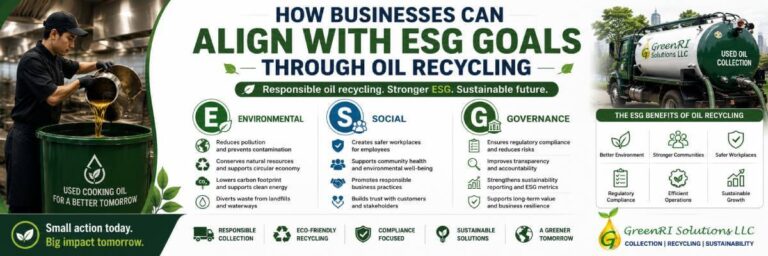
How Businesses Can Align with ESG Goals Through Oil Recycling
Leveraging Oil Recycling to Support ESG Objectives and Sustainable Growth Environmental, Social, and Governance (ESG) initiatives have become a key focus for organizations across industries. Investors, customers, regulators, and stakeholders increasingly expect businesses to demonstrate measurable commitments to sustainability and responsible operations. While many companies focus on energy efficiency, emissions reduction, and resource conservation, one…
-
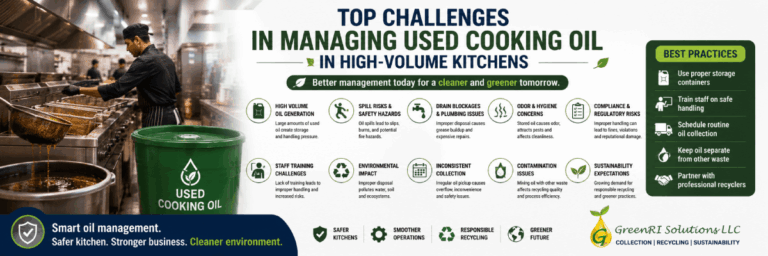
Top Challenges in Managing Used Cooking Oil in High-Volume Kitchens
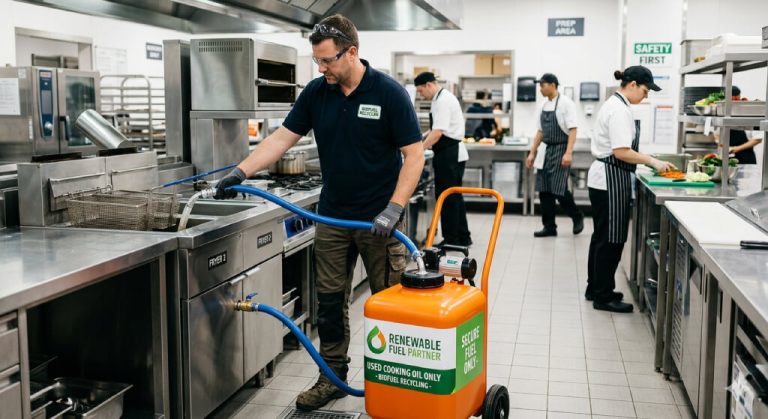
Understanding the Operational Difficulties of Used Cooking Oil Management High-volume kitchens such as restaurants, hotels, catering facilities, cloud kitchens, and food processing operations generate large amounts of used cooking oil every day. While cooking oil is essential for food preparation, managing the waste oil that remains after continuous frying operations can become a major operational…
-
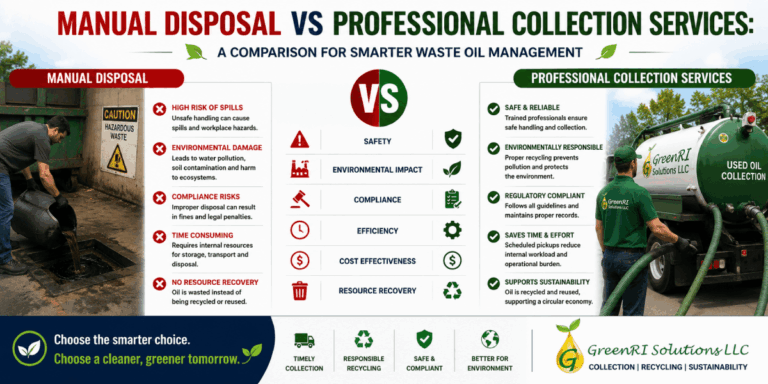
Manual Disposal vs Professional Oil Collection Services: A Comparison
Understanding the Difference Between Manual Disposal and Professional Waste Oil Collection Businesses that generate used cooking oil, used engine oil, or industrial oil waste must decide how to manage it responsibly. While some businesses attempt to handle disposal internally, others rely on professional collection and recycling services to streamline the process. At first glance, manual…
-
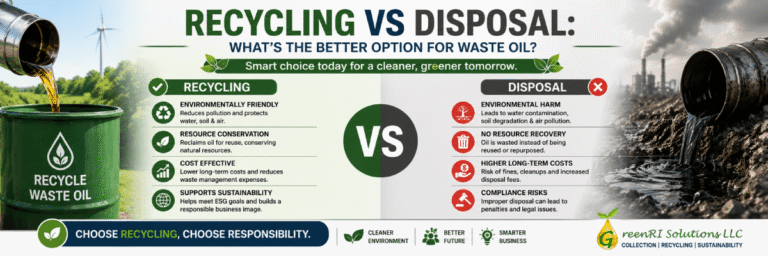
Recycling vs Disposal: What’s the Better Option for Waste Oil?
Understanding the Difference Between Waste Oil Recycling and Disposal Every day, businesses such as restaurants, hotels, automotive workshops, food processing units, and industrial facilities generate significant amounts of waste oil. Once oil reaches the end of its usable life, businesses are faced with an important question: Should the oil simply be disposed of, or should…
-
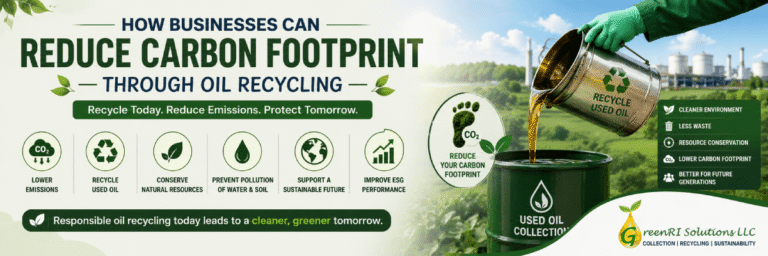
How Businesses Can Reduce Carbon Footprint Through Oil Recycling
Understanding the Connection Between Oil Recycling and Carbon Footprint Reduction Sustainability is no longer just a corporate trend—it has become an operational priority for businesses across industries. Restaurants, hotels, automotive workshops, food processing units, and manufacturing facilities are all looking for practical ways to reduce environmental impact while improving operational efficiency. One often-overlooked area is…
-
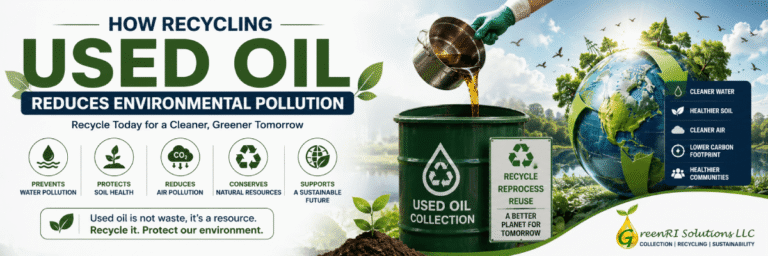
How Recycling Used Oil Reduces Environmental Pollution: A Sustainable Solution for Modern Waste Management
The Environmental Impact of Used Oil Used oil is generated every day by restaurants, hotels, automotive workshops, food processing facilities, and industrial operations. While oil is essential for cooking and machinery, improper disposal after use can create serious environmental problems. When waste oil is dumped into drains, soil, or open landfills, it contributes to: This…
-
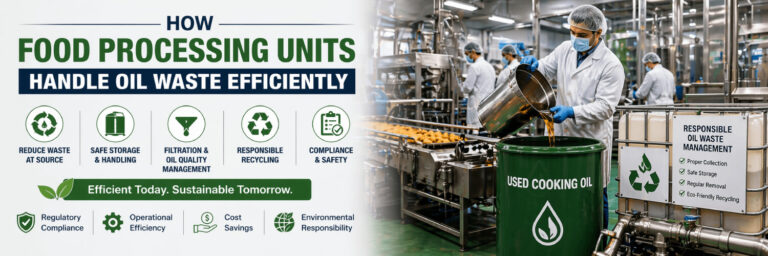
How Food Processing Units Handle Oil Waste Efficiently: A Complete Operational Guide
Managing Used Cooking Oil Waste at Scale Food processing units operate at a completely different scale compared to restaurants or hotels. With continuous production lines, large frying systems, and bulk oil usage, the volume of oil waste generated daily can be substantial. Handling this efficiently is not just about disposal—it directly impacts: Without a structured…
-
Best Practices for Hotels Managing Used Cooking Oil: A Complete Guide to Safe and Efficient Operations
Why Used Cooking Oil Management is Critical for Hotels Hotels operate some of the busiest kitchens in the hospitality industry. From breakfast buffets to large-scale banquets, cooking operations generate significant volumes of used cooking oil every day. Managing this waste efficiently is not just about cleanliness—it directly affects: Without proper systems in place, used cooking…
-
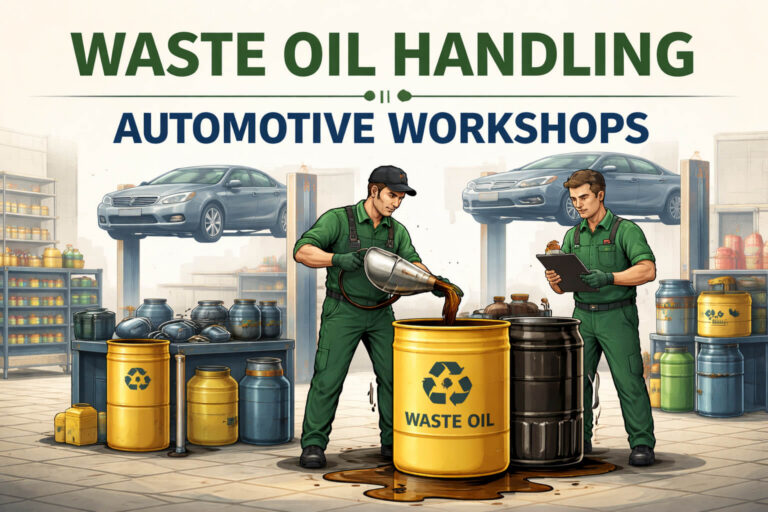
Waste Oil Handling in Automotive Workshops: A Practical Guide to Safe, Compliant, and Efficient Management
Why Waste Oil Handling Matters More Than You Think Every automotive workshop—whether a small garage or a large service center—generates waste engine oil as part of daily operations. From engine oil changes to equipment maintenance, managing this byproduct is unavoidable. But waste oil handling is not just a routine task. It directly impacts: Improper handling…
-
How the Biodiesel Industry Uses Waste Cooking Oil
Turning a Kitchen Waste Problem into a Renewable Energy Solution Every commercial kitchen produces it. Every day. Used cooking oil. For many restaurants and food businesses, this waste feels like a routine cleanup task. But improper disposal—especially pouring oil down drains—can lead to serious problems. It blocks pipelines, damages plumbing systems, and contributes to large-scale…
-
Why You Should Never Pour Cooking Oil Down the Drain
A Common Kitchen Habit That Causes Serious Problems Pouring leftover cooking oil into the kitchen sink may seem like a quick and harmless way to clean up after cooking, but this common habit can create serious problems for your plumbing and the environment. When Used Cooking Oil enters a Kitchen Sink Drain, it does not…
-
Why Restaurants Should Use Professional Used Cooking Oil Collection Services
Restaurants that operate deep fryers and commercial cooking equipment generate large volumes of used cooking oil (UCO) every day. Quick-service restaurants, full-service kitchens, hotels, and catering facilities all produce a continuous stream of waste fryer oil that must be handled safely. Used cooking oil management is more than a routine kitchen task. It affects kitchen…
-
Essential Waste Oil Containers for Business Operations
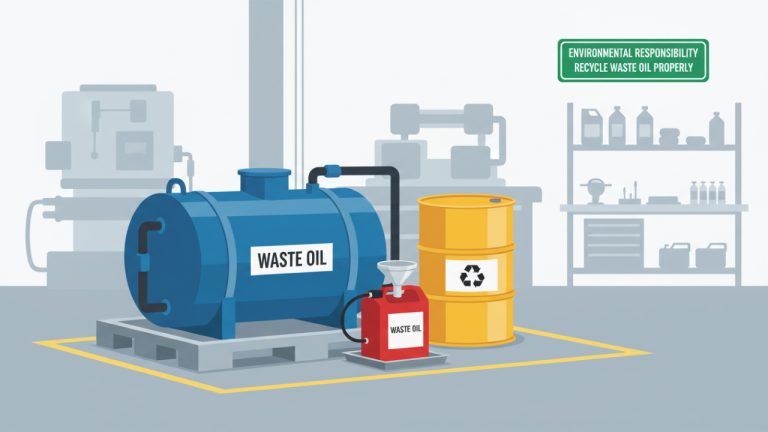
For businesses in automotive repair, manufacturing, and industrial services, managing used oil is a daily reality. Proper handling of this waste stream isn’t just about tidiness; it’s a critical component of operational safety, environmental stewardship, and regulatory compliance. The foundation of effective waste oil management lies in using the right equipment, and it all starts…
-
How to Recycle Used Cooking Oil ?
Cooking oil is the most valuable ingredient in the home for baking, frying, and roasting. But whenever it is utilized then it can hurt the environment if disposed of improperly. Throwing it or pouring it down the drain can damage plumbing and contaminated soil and water. Recycling is a better choice as it is eco-friendly…