How Recycling Used Oil Reduces Environmental Pollution: A Sustainable Solution for Modern Waste Management
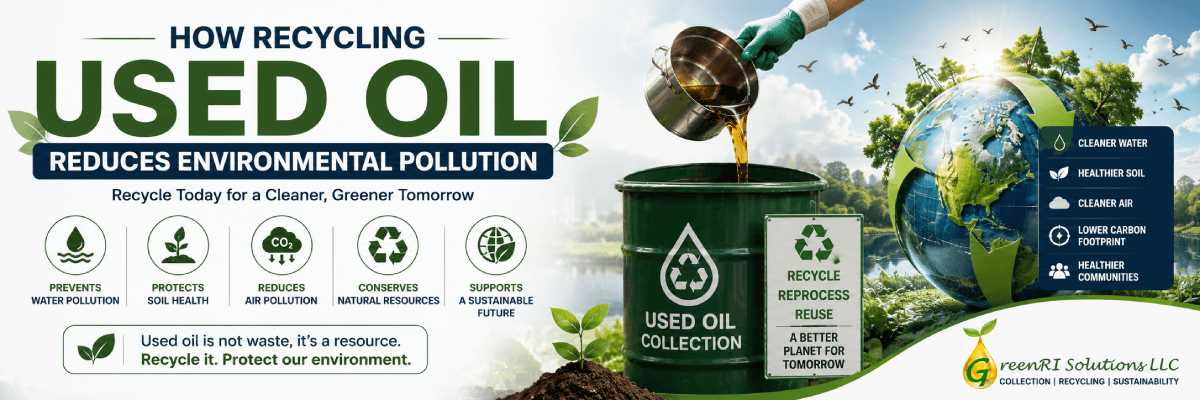
The Environmental Impact of Used Oil
Used oil is generated every day by restaurants, hotels, automotive workshops, food processing facilities, and industrial operations. While oil is essential for cooking and machinery, improper disposal after use can create serious environmental problems.
When waste oil is dumped into drains, soil, or open landfills, it contributes to:
This is why responsible oil recycling has become a critical part of modern Waste Management and sustainability efforts.
What Happens When Used Oil is Disposed Improperly?
Improper disposal methods include:
These practices can severely impact the environment.
1. Water Pollution
Used oil can enter:
Even small quantities can contaminate large volumes of water and contribute to Water Pollution.
Oil forms a surface layer on water that reduces oxygen transfer, harming aquatic life and disrupting ecosystems.
2. Soil Contamination
When oil seeps into the ground, it affects:
Contaminated soil often requires expensive remediation processes.
3. Air Pollution
Improper burning of waste oil can release:
This contributes to poor air quality and environmental degradation.
How Recycling Used Oil Helps the Environment
Recycling transforms used oil from waste into a reusable resource.
Instead of polluting the environment, used oil can be:
This supports sustainable resource management and reduces environmental strain.
Key Environmental Benefits of Used Oil Recycling
1. Reduces Water Contamination Risks
Proper collection and recycling prevent oil from entering:
This helps protect marine ecosystems and public water resources.
2. Minimizes Land Pollution
Recycling reduces the amount of waste oil dumped into:
This protects soil quality and surrounding ecosystems.
3. Conserves Natural Resources
Re-refining used oil reduces the need for:
This conserves energy and natural resources.
4. Supports the Circular Economy
Used oil recycling aligns with the principles of a Circular Economy, where waste materials are recovered and reused instead of discarded.
This creates a more sustainable and resource-efficient system.
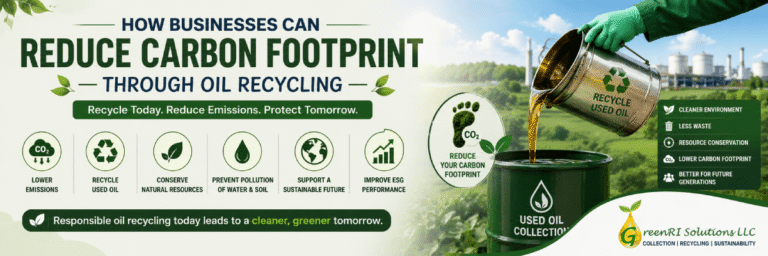
5. Reduces Carbon Footprint
Efficient recycling processes help reduce:
This contributes to lowering overall Carbon Footprint.
Industries That Benefit from Used Oil Recycling
Many industries generate used oil and can significantly reduce pollution through responsible recycling practices.
Common sectors include:
Implementing proper oil management systems benefits both operations and the environment.
Best Practices for Environmentally Responsible Oil Management
1. Store Oil Safely
2. Avoid Drain Disposal
Never pour used oil into:
3. Separate Oil from Other Waste
Keep oil free from:
This improves recycling efficiency.
4. Schedule Regular Collection
Routine collection prevents:
5. Partner with Professional Recycling Services
A structured collection and recycling process ensures environmentally responsible handling from start to finish.
The Long-Term Impact of Oil Recycling
As sustainability becomes increasingly important, recycling used oil plays a major role in:
Organizations that implement responsible oil management systems contribute to cleaner communities and a healthier environment.
Encouragement to Explore Sustainable Solutions
Managing used oil responsibly is no longer optional—it is an essential part of modern environmental responsibility.
Businesses that adopt structured recycling systems not only reduce pollution risks but also strengthen operational sustainability and compliance.
Support Cleaner Operations with GreenRI Solutions LLC
Proper used oil recycling starts with a reliable collection and management system.
With GreenRI Solutions LLC, businesses can simplify the process of used oil handling while supporting environmentally responsible recycling practices.
Our services are designed to help:
Whether your business generates used cooking oil or industrial oil waste, GreenRI Solutions LLC provides dependable collection and recycling solutions tailored to your operational needs.
Connect with GreenRI Solutions LLC today to build a cleaner, safer, and more sustainable approach to used oil management.