How Food Processing Units Handle Oil Waste Efficiently: A Complete Operational Guide
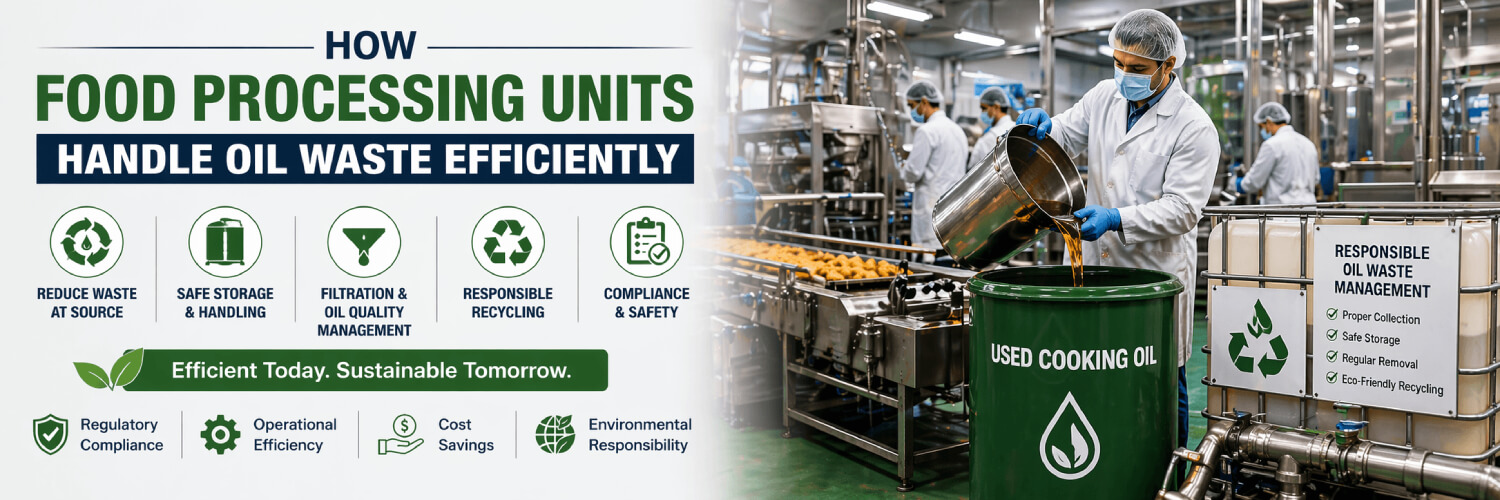
Managing Used Cooking Oil Waste at Scale
Food processing units operate at a completely different scale compared to restaurants or hotels. With continuous production lines, large frying systems, and bulk oil usage, the volume of oil waste generated daily can be substantial.
Handling this efficiently is not just about disposal—it directly impacts:
Without a structured system, oil waste can quickly disrupt operations and increase risk exposure.
What Types of Oil Waste Are Generated in Food Processing Units?
Food processing facilities typically generate:
This type of waste falls under Industrial Waste and requires controlled handling, storage, and recycling processes.
Why Efficient Oil Waste Handling is Critical
1. Operational Continuity
Poor oil management can lead to:
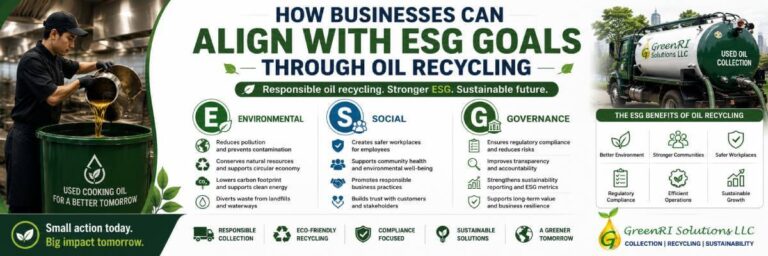
2. Environmental Protection
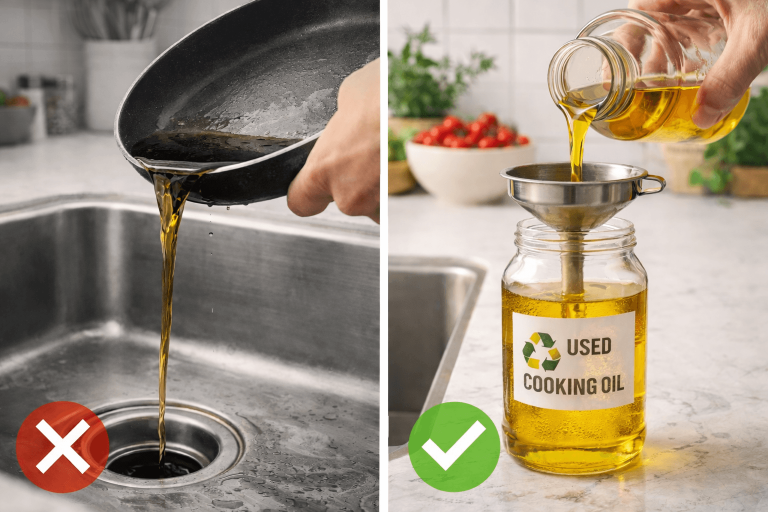
Improper disposal contributes to:
This directly relates to Water Pollution, which can have long-term environmental consequences.
3. Regulatory Compliance
Food processing units must comply with strict waste management guidelines. Failure can result in:
4. Cost Optimization
Efficient systems help:
Common Challenges in Food Processing Units
These challenges require a structured and scalable solution.
Best Practices for Efficient Oil Waste Handling
1. Implement Bulk Storage Systems
This reduces handling frequency and improves safety.
2. Use Filtration Systems to Extend Oil Life
This minimizes waste generation at the source.
3. Establish Standard Operating Procedures (SOPs)
Define clear processes for:
Consistency improves efficiency and compliance.
4. Train Staff on Handling Protocols
Ensure teams understand:
A trained workforce reduces errors and risks.
5. Prevent Contamination
Clean segregation improves recycling outcomes.
6. Maintain Regular Waste Removal Cycles
Regular handling prevents operational bottlenecks.
The Role of Recycling in Industrial Oil Waste Management
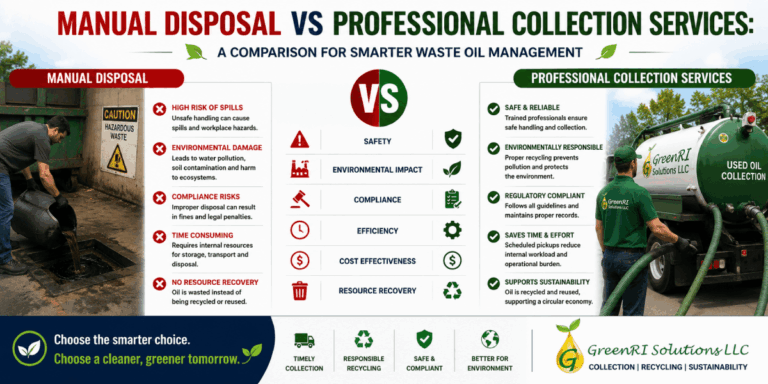
Used oil is not just waste—it is a recoverable resource.
Through proper processing, it can be:
This supports the concept of a Circular Economy, where waste materials are reintegrated into the production cycle.
Signs Your Facility Needs a Better Oil Waste Management System
If these issues are present, it’s time to upgrade your system.
Common Mistakes to Avoid
Avoiding these mistakes can significantly improve operational performance.
Encouragement to Explore Better Solutions
Efficient oil waste handling is essential for maintaining productivity, safety, and compliance in food processing operations.
As production scales, having a structured and reliable system becomes critical. Streamlining oil handling processes not only reduces risks but also enhances overall efficiency.
Optimize Oil Waste Handling with GreenRI Solutions LLC
Managing large volumes of oil waste in food processing units requires a dependable and structured approach.
With GreenRI Solutions LLC, your facility can implement a seamless system for oil waste collection and recycling—designed specifically for high-volume operations.
Our services help you:
Whether you operate a medium-scale processing unit or a large industrial facility, partnering with an experienced oil collection service can significantly improve efficiency and compliance.
Connect with GreenRI Solutions LLC today to build a smarter, safer, and more scalable oil waste management system.