Why Restaurants Should Use Professional Used Cooking Oil Collection Services
Restaurants that operate deep fryers and commercial cooking equipment generate large volumes of used cooking oil (UCO) every day. Quick-service restaurants, full-service kitchens, hotels, and catering facilities all produce a continuous stream of waste fryer oil that must be handled safely.
Used cooking oil management is more than a routine kitchen task. It affects kitchen safety, plumbing systems, environmental compliance, and operational efficiency.
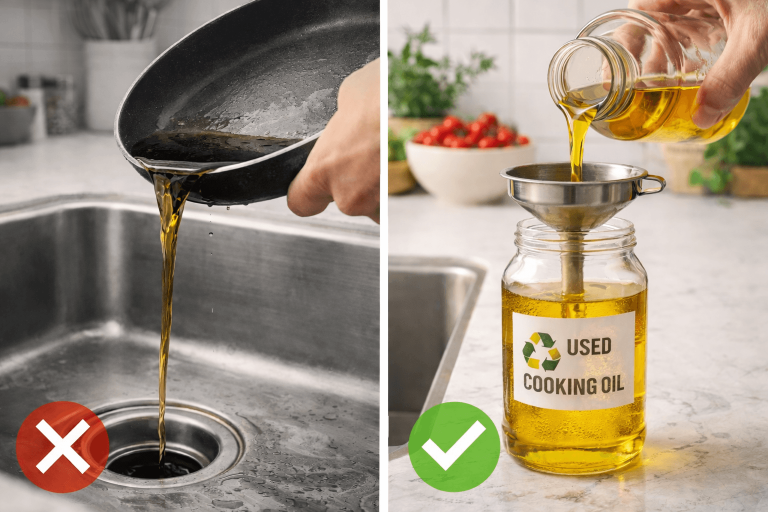
When oil is disposed of improperly, problems follow. Oil poured into drains cools and solidifies inside pipes. Grease accumulates. Pipes clog. Municipal sewer infrastructure suffers damage. Poor storage practices also increase the risk of spills, workplace hazards, and sanitation issues.
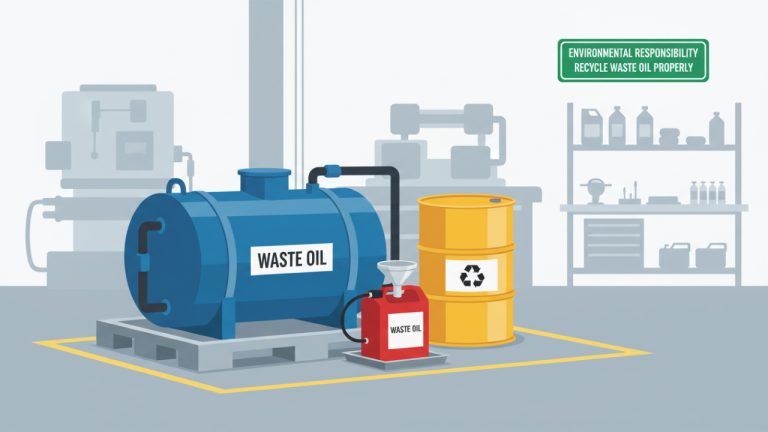
Restaurants generate waste oil. Waste oil requires controlled disposal. Proper disposal protects kitchen operations, plumbing systems, and the surrounding environment.
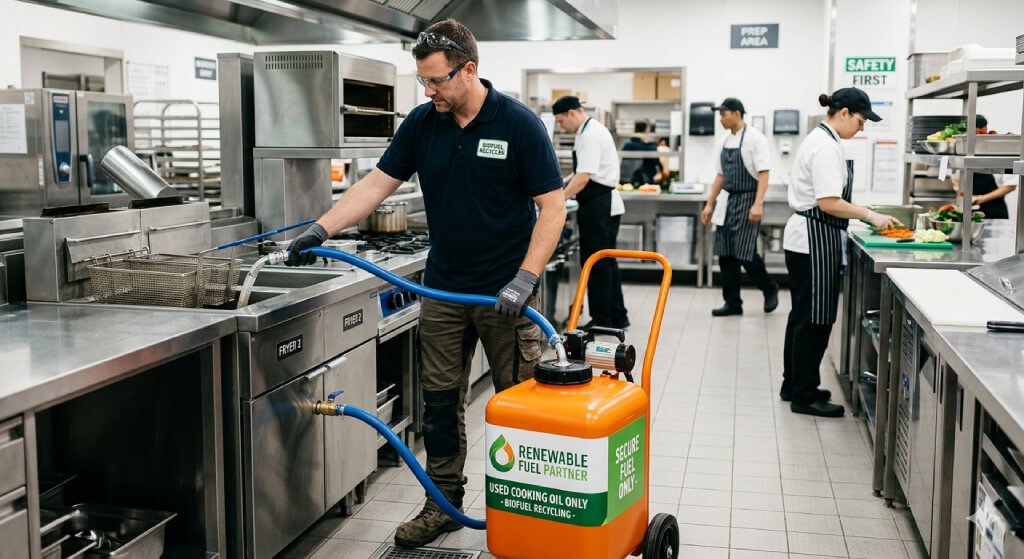
Professional used cooking oil collection services provide a structured solution. These services collect, transport, and recycle waste oil from restaurants, hotels, catering companies, and commercial kitchens.
Recycling facilities process the collected oil into products such as Biodiesel, turning a kitchen by-product into a renewable energy resource.
For restaurant operators, professional oil collection simplifies waste management while supporting safe, compliant, and sustainable kitchen operations.
Challenges Restaurants Face When Handling Used Cooking Oil
Handling used cooking oil presents several operational challenges. High-volume frying operations produce significant quantities of waste oil that must be stored, handled, and disposed of properly.
Restaurants produce waste oil. Waste oil requires safe handling. Improper handling creates operational risks.
Safe Storage and Handling Risks
Freshly used fryer oil remains hot for long periods. Staff must transport containers filled with heavy liquid, which increases the risk of spills, burns, and slip hazards.
In busy kitchens, even minor spills can disrupt operations and create workplace safety concerns.
Drain and Plumbing Problems
Disposing of oil through sinks or floor drains is one of the most common mistakes in commercial kitchens.
Cooking oil does not dissolve in water. It cools and solidifies inside pipes, forming grease deposits that restrict water flow.
Over time, grease accumulation leads to:
- clogged pipes
- blocked sewer lines
- costly plumbing repairs
These issues disrupt restaurant operations and increase maintenance expenses.
Waste Disposal Compliance
Restaurants must follow environmental and waste disposal regulations established by local authorities.
Failure to manage waste oil correctly can lead to:
- fines and penalties
- inspection violations
- operational disruptions
Operational Inefficiency
Restaurant teams already manage demanding responsibilities such as food preparation, service coordination, and kitchen management.
Manual oil disposal adds unnecessary workload. Staff must transport containers, locate disposal areas, and clean spills. These tasks reduce operational efficiency.
Because of these challenges, many restaurants rely on professional used cooking oil collection services to manage waste oil safely and efficiently.
Environmental Impact and Sustainability
Improper disposal of used cooking oil can cause serious environmental damage. When oil enters drainage systems, it cools and mixes with other waste materials, forming dense grease blockages known as fatbergs.
Fatbergs restrict water flow and damage sewer systems.
Environmental risks include:
- Water pollution – oil reduces oxygen levels in water bodies and harms aquatic life
- Sewer infrastructure damage – grease buildup blocks wastewater systems
- Soil contamination – oil dumped into landfills degrades surrounding soil
Proper waste oil management protects both urban infrastructure and natural ecosystems.
Professional used cooking oil collection companies prevent these risks by implementing structured oil management systems.
Typical services include:
- sealed containers for safe oil storage
- scheduled oil collection
- transport to licensed recycling facilities
- documented waste disposal for regulatory compliance
Collected oil is often converted into renewable fuels through processes such as transesterification, producing Biodiesel.
Waste oil becomes raw material. Recycling facilities produce renewable fuel. Sustainable systems reduce environmental impact.
Financial and Operational Benefits for Restaurants
Professional used cooking oil collection offers clear operational and financial benefits for restaurants.
Outsourcing oil disposal allows kitchen staff to focus on core tasks while reducing maintenance risks and operational disruptions.
Reduced Operational Burden
Professional services simplify oil management by providing structured systems.
Key improvements include:
- designated oil storage containers
- scheduled collection services
- reduced manual handling by staff
- cleaner and safer kitchen environments
These systems improve workflow and reduce safety risks.
Lower Maintenance Costs
Grease entering plumbing systems causes long-term damage to pipes and sewer lines.
Professional oil collection prevents oil from entering drainage infrastructure, reducing:
- plumbing repair costs
- sewer blockages
- emergency maintenance issues
Protecting plumbing systems helps restaurants avoid unexpected operational expenses.
Potential Revenue from Recycled Oil
In many markets, used cooking oil has economic value because it can be processed into biodiesel, renewable diesel, or industrial feedstock.
Restaurants may receive:
- payment per litre or kilogram of oil
- service credits for collection agreements
- incentive programs based on oil volume and quality
Waste oil becomes a recyclable commodity rather than a disposal problem.
Improved Compliance and Documentation
Professional collection providers supply documentation confirming proper waste handling.
Records may include:
- pickup logs
- waste transfer documents
- recycling confirmation reports
These documents support health inspections, environmental audits, and internal compliance reporting.
Regulatory Compliance for Used Cooking Oil Disposal
Restaurants operate under strict food safety and environmental regulations.
In India, guidelines established by the Food Safety and Standards Authority of India outline how food businesses should manage used cooking oil.
Programs such as the Repurpose Used Cooking Oil initiative encourage restaurants to dispose of used oil through authorized recycling channels.
Recommended practices include:
- monitoring Total Polar Compounds (TPC) levels in frying oil
- avoiding excessive reuse of degraded oil
- storing waste oil in designated containers
- ensuring oil is collected by authorized recyclers
Proper documentation and traceability are essential for regulatory compliance.
Restaurants generate waste oil. Waste oil must be tracked. Documentation protects businesses during inspections.
Professional oil collection services help restaurants meet these requirements while maintaining safe waste handling systems.
How Professional Used Cooking Oil Collection Services Work
Professional used cooking oil collection services follow a structured process designed for commercial kitchens.
The process typically includes safe storage, scheduled pickup, and responsible recycling.
1. Safe Oil Storage
Restaurants receive sealed containers designed to store used oil safely.
These containers are:
- leak-resistant
- suitable for high-temperature oil
- positioned near kitchen work areas
- designed to prevent spills and contamination
Staff transfer cooled oil from deep fryers into the storage container.
Proper storage protects kitchen safety and sanitation.
2. Scheduled Oil Collection
When containers reach capacity, collection technicians remove the oil according to a scheduled pickup plan.
Collection frequency depends on:
- restaurant size
- number of fryers
- weekly oil usage
Regular collection prevents storage overflow and maintains clean kitchen environments.
3. Transportation and Recycling
Collected oil is transported to licensed recycling facilities where it undergoes filtration and processing.
Recycling plants convert the oil into renewable resources such as Biodiesel.
Waste oil becomes fuel. Recycling supports renewable energy systems.
4. Documentation and Compliance Support
Collection companies provide records confirming proper oil disposal and recycling.
These documents help restaurants demonstrate compliance with environmental regulations and food safety requirements.
Why Partner with a Professional Oil Collection Company
Managing used cooking oil internally can create operational challenges. Professional service providers deliver systems, logistics, and expertise that simplify waste oil management.
Companies like GreenRI Solutions LLC specialize in commercial kitchen oil collection and recycling.
Benefits include:
- safe oil storage systems
- predictable pickup schedules
- professional transport logistics
- responsible recycling practices
Structured collection systems improve kitchen safety, operational efficiency, and environmental compliance.
As restaurants grow, oil consumption increases. Professional collection services provide a scalable waste management solution for single locations and multi-site restaurant operations.
Simplifying Used Cooking Oil Management for Restaurants
Used cooking oil management should not disrupt restaurant operations.
A structured system for oil storage, collection, and recycling helps restaurants maintain safe kitchens and efficient workflows.
Professional oil collection services help restaurants:
- maintain clean kitchen environments
- protect plumbing systems
- meet regulatory requirements
- reduce operational risks
- support sustainable recycling programs
When recycled properly, waste cooking oil becomes a renewable resource that supports the circular economy and sustainable energy production.
Work with a Trusted Used Cooking Oil Collection Partner
Restaurants looking for reliable oil collection services can partner with GreenRI Solutions LLC.
The company provides professional used cooking oil pickup and recycling services designed for restaurants, hotels, catering businesses, and commercial kitchens.
With scheduled pickups, safe storage solutions, and responsible recycling, GreenRI Solutions helps restaurants manage waste oil efficiently.
Request a Used Cooking Oil Pickup
If your restaurant generates waste fryer oil, professional collection services can simplify disposal.
With GreenRI Solutions LLC, you can:
- schedule used cooking oil pickup
- request a custom collection plan
- implement sustainable oil recycling practices
Contact our team today to streamline used cooking oil management for your restaurant operations.