Essential Waste Oil Containers for Business Operations
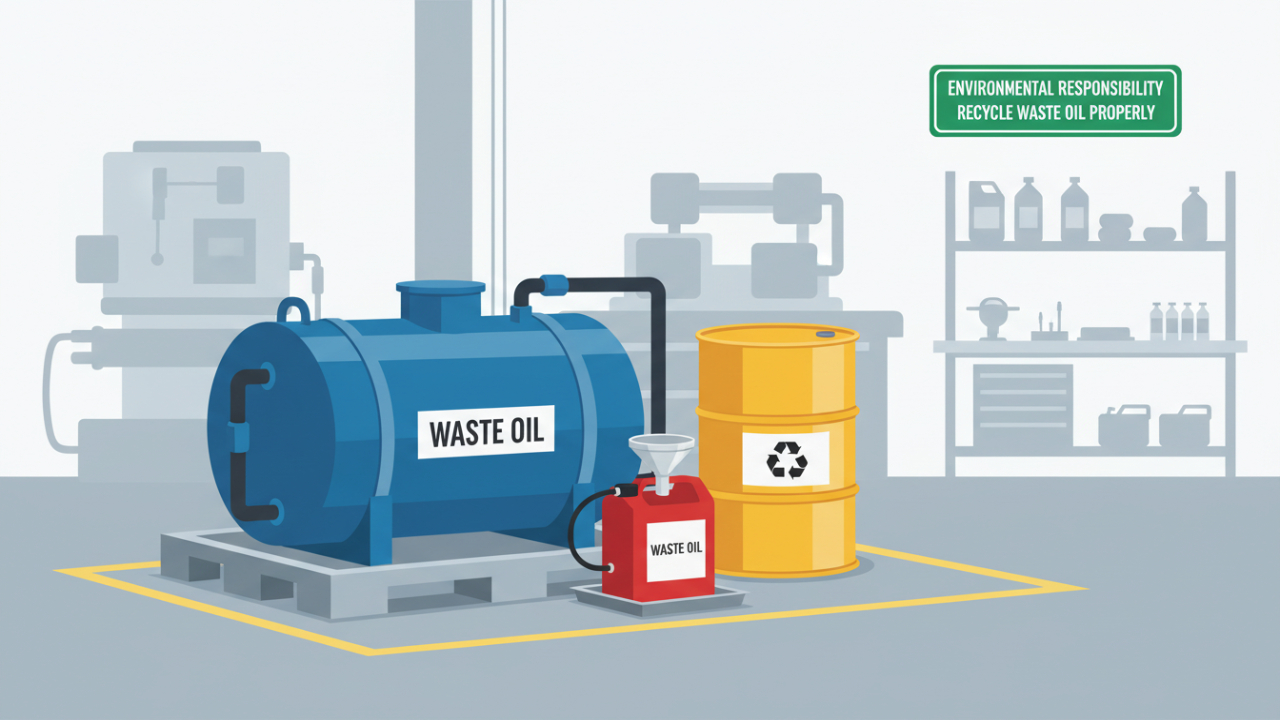
For businesses in automotive repair, manufacturing, and industrial services, managing used oil is a daily reality. Proper handling of this waste stream isn’t just about tidiness; it’s a critical component of operational safety, environmental stewardship, and regulatory compliance. The foundation of effective waste oil management lies in using the right equipment, and it all starts with high-quality waste oil containers. Investing in a compliant and efficient oil disposal container is one of the most important decisions you can make for your facility. The benefits are immediate and far-reaching, leading to enhanced workplace safety, guaranteed environmental protection, and even significant long-term cost savings through streamlined operations and recycling programs.
Why Secure Used Oil Storage is Non-Negotiable for Your Business
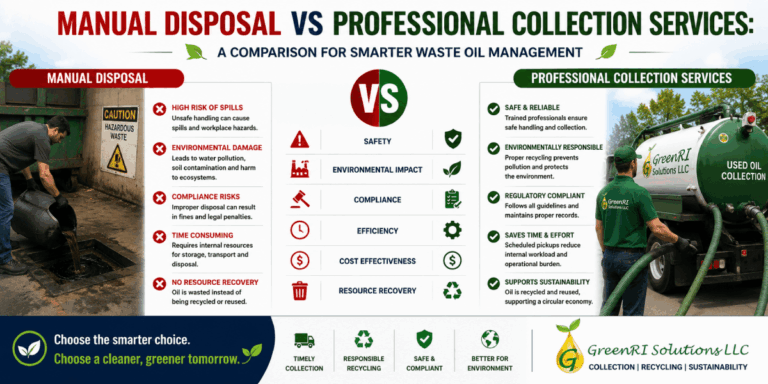
A secure used oil storage container is more than just a receptacle; it’s your first line of defense against legal penalties, environmental damage, and workplace accidents. In today’s highly regulated landscape, overlooking proper used oil management can have serious consequences, making robust storage solutions a non-negotiable asset for any professional operation.
Meeting Regulatory Standards and Environmental Responsibility
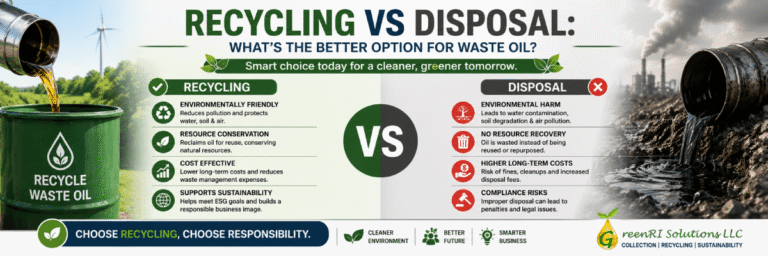
Businesses that generate used oil are subject to strict regulations set forth by the Environmental Protection Agency (EPA) as well as state and local authorities. These oil disposal regulations are not suggestions—they are legal obligations designed to prevent pollution. Improper storage or disposal of used oil can lead to soil and water contamination, harming ecosystems and public health. A single quart of oil can pollute up to 250,000 gallons of water. Using a certified oil waste container ensures that you are in full compliance, helping you avoid hefty fines, legal action, and operational shutdowns. Furthermore, demonstrating a commitment to environmental responsibility enhances your corporate image, building trust with customers, partners, and the community.
Enhancing Workplace Safety and Efficiency
Used oil spills are a significant workplace hazard, creating slick surfaces that can lead to slips, falls, and serious injuries. A dedicated waste oil storage container is engineered to prevent these incidents. Features like sealed lids, anti-spill funnels, and durable, leak-proof construction contain the oil safely, keeping your floors clean and your team safe. An organized used oil storage system also boosts operational efficiency. When employees know exactly where to deposit used oil and filters, processes become faster and more streamlined. Clearly labeled oil collection containers placed at convenient points eliminate confusion, reduce cleanup time, and allow your staff to focus on more productive tasks. This organized approach is a cornerstone of efficient used oil management.
Types of Waste Oil Containers: Finding Your Ideal Solution
The market offers a wide array of waste oil containers, each designed to meet different operational needs, volumes, and environmental conditions. From heavy-duty steel tanks for industrial sites to portable plastic jugs for small workshops, selecting the right used engine oil recycling container is key to building an effective waste management system. Understanding the differences in material, capacity, and design will help you find the perfect solution for your business.
Material Matters: Steel vs. Polyethylene Containers
The two most common materials for oil collection containers are steel and polyethylene (plastic), and each offers distinct advantages.
Choosing between them depends on your specific needs: if fire resistance and maximum physical durability are priorities, steel is a strong contender. If you need a lighter, corrosion-proof, and often more economical option, a polyethylene oil recycle container is an excellent choice.
Capacity and Design: From Portable Jugs to Large Storage Bins
Waste oil containers are available in a vast range of sizes to suit any operation.
Design features can also include large funnel tops for splash-free filling, debris screens to catch stray parts, and sight gauges to monitor fluid levels. A dedicated used oil filter container is also a smart addition, allowing you to drain and store used filters separately for proper recycling.
Choosing the Right Waste Oil Container for Your Business Needs
With a clear understanding of the available options, the next step is to select the perfect oil disposal containers for your unique operational context. This decision shouldn’t be based on price alone; it requires a careful assessment of your workflow, safety requirements, and long-term value. A thoughtful choice ensures your investment serves you well for years to come.
Assessing Your Operational Requirements
Before browsing products, evaluate your specific needs. Start by asking these questions:
Key Features and Safety Considerations
When comparing old oil containers, prioritize features that enhance safety and usability. Look for a robust, seamless construction that guarantees a leak-proof design. The container should be compliant with relevant safety standards, such as those from OSHA, and be fire-resistant if required by local code. Easy-to-use access points, like a wide funnel or a lockable lid, are crucial for both convenience and security. For larger containers, features that facilitate transport and emptying are essential. Look for built-in forklift pockets, heavy-duty casters for mobility, or a drain valve for easy transfer of oil to a recycling truck.
Long-Term Value and Maintenance
Investing in a durable waste oil storage container provides better long-term value than a cheaper, less robust alternative. A well-made container will resist dents, cracks, and leaks, saving you from costly cleanups and replacement fees down the road. Before purchasing, check the warranty information and the manufacturer’s reputation for support. Plan for routine inspection and maintenance; regularly check for signs of wear, damage, or leaks, and ensure all lids, seals, and valves are functioning correctly. A little preventative maintenance goes a long way in ensuring your container remains safe and compliant for its entire service life.
Optimizing Your Waste Oil Management with the Right Containers
The right oil collection container is the heart of an efficient and responsible waste management system. By integrating your containers into a broader strategy, you can optimize safety, ensure compliance, and turn a waste product into a recyclable asset. Following best practices for collection and storage is essential for maximizing the benefits of your investment.
Best Practices for Waste Oil Collection and Storage
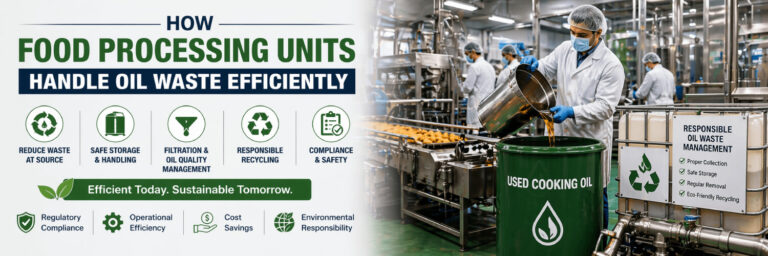
Proper handling procedures are just as important as the container itself. Train your staff to follow these guidelines for safe oil handling:
Integrating Containers into a Comprehensive Recycling Program
Your used oil recycling containers are a vital link in the chain of sustainability. Used oil doesn’t wear out—it just gets dirty. Through re-refining, it can be cleaned and reused, reducing the need for new crude oil. By partnering with a certified recycler, you ensure your waste oil is handled responsibly. An efficient collection system, built around the right containers, can also lead to cost savings. Many recyclers offer credits or reduced fees for well-segregated, uncontaminated oil, turning your waste stream into a potential revenue stream. This approach not only protects the environment but also strengthens your company’s bottom line, making it a true win-win.