How Businesses Can Reduce Carbon Footprint Through Oil Recycling
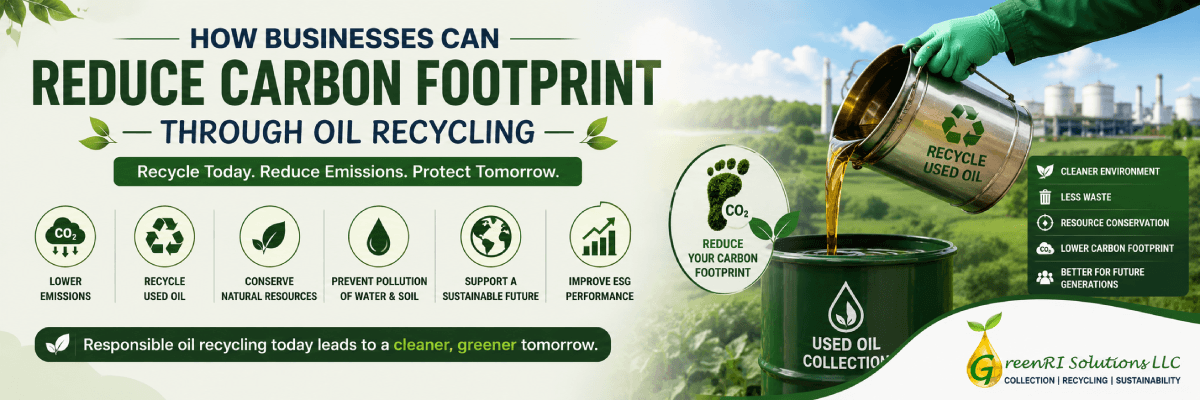
Understanding the Connection Between Oil Recycling and Carbon Footprint Reduction
Sustainability is no longer just a corporate trend—it has become an operational priority for businesses across industries. Restaurants, hotels, automotive workshops, food processing units, and manufacturing facilities are all looking for practical ways to reduce environmental impact while improving operational efficiency.
One often-overlooked area is used oil management.
Improper disposal of used cooking oil and industrial oil waste contributes to environmental damage, resource depletion, and increased emissions. On the other hand, structured oil recycling programs help businesses reduce their overall Carbon Footprint while supporting sustainable operations.
Businesses that adopt responsible oil recycling practices can significantly improve environmental performance and contribute to long-term sustainability goals.
What is a Carbon Footprint?
A carbon footprint refers to the total amount of greenhouse gas emissions generated directly or indirectly by business activities.
This includes emissions from:
Reducing waste and improving recycling systems helps lower these emissions over time.
Why Used Oil Disposal Impacts the Environment
When used oil is disposed of improperly, it can:
These practices contribute to environmental degradation and increase the burden on waste management systems.
Improper disposal also affects broader Environmental Sustainability efforts.
How Oil Recycling Supports Sustainability
Oil recycling transforms waste into reusable resources instead of allowing it to become an environmental pollutant.
Depending on the recycling process, used oil can be:
This supports the principles of a Circular Economy, where materials are continuously reused rather than discarded.
Key Ways Oil Recycling Reduces Carbon Footprint
Conserves Natural Resources
Recycling reduces the need for extracting and processing new raw materials such as crude oil.
Lower extraction demand means:
Reduces Waste-Related Emissions
Waste oil sent to landfills or disposed improperly contributes to pollution and additional environmental processing requirements.
Efficient recycling helps reduce:
Supports Renewable Energy Production
Recycled used cooking oil can be processed into alternative fuel sources, helping reduce reliance on conventional fossil fuels.
This contributes to cleaner energy systems and lower greenhouse gas emissions.
Prevents Water and Soil Pollution
Proper oil recycling prevents contamination of:
This reduces long-term environmental remediation needs and supports healthier ecosystems.
Industries That Can Benefit from Oil Recycling Programs
Many industries generate substantial volumes of used oil and can improve sustainability through proper recycling practices.
Hospitality Industry
Hotels, resorts, and restaurants generate used cooking oil daily from commercial kitchen operations.
Structured recycling programs help improve:
Automotive Workshops
Garages and automotive service centers generate used engine oil and lubricants regularly.
Recycling programs help:
Food Processing Units
Large-scale food manufacturing facilities generate oil waste continuously during production processes.
Efficient recycling systems support:
Manufacturing Facilities
Industrial plants using lubricants, hydraulic oils, and processing oils benefit from organized recycling systems that reduce environmental impact and operational waste.
Best Practices for Businesses Looking to Reduce Carbon Footprint
Implement Proper Storage Systems
Avoid Improper Disposal Methods
Never:
Schedule Routine Oil Collection
Regular collection prevents:
Train Staff on Oil Handling Procedures
Employees should understand:
Well-trained teams improve efficiency and reduce waste-related risks.
Partner with Reliable Recycling Services
Working with a professional recycling partner ensures oil is collected, transported, and processed responsibly.
This simplifies compliance and improves sustainability performance.
Long-Term Benefits of Oil Recycling for Businesses
Businesses that implement responsible oil recycling systems often experience:
As environmental responsibility becomes increasingly important, sustainable waste management practices help businesses remain competitive and future-ready.
Sustainable Waste Management Solutions
Reducing environmental impact starts with practical operational improvements. Oil recycling is one of the most effective ways businesses can lower waste-related pollution while supporting long-term sustainability goals.
By implementing structured collection and recycling systems, organizations can improve operational efficiency and contribute to a cleaner environment.
Reduce Environmental Impact with GreenRI Solutions LLC
Managing used oil responsibly requires more than simple disposal—it requires a structured and environmentally responsible recycling system.
With GreenRI Solutions LLC, businesses can streamline used oil collection and recycling while supporting sustainability initiatives and reducing environmental impact.
Our services are designed to help businesses:
Whether you operate a restaurant, hotel, automotive workshop, or industrial facility, GreenRI Solutions LLC provides reliable solutions tailored to your operational requirements.
Connect with GreenRI Solutions LLC today to build a cleaner, safer, and more sustainable approach to oil waste management.