Waste Oil Handling in Automotive Workshops: A Practical Guide to Safe, Compliant, and Efficient Management
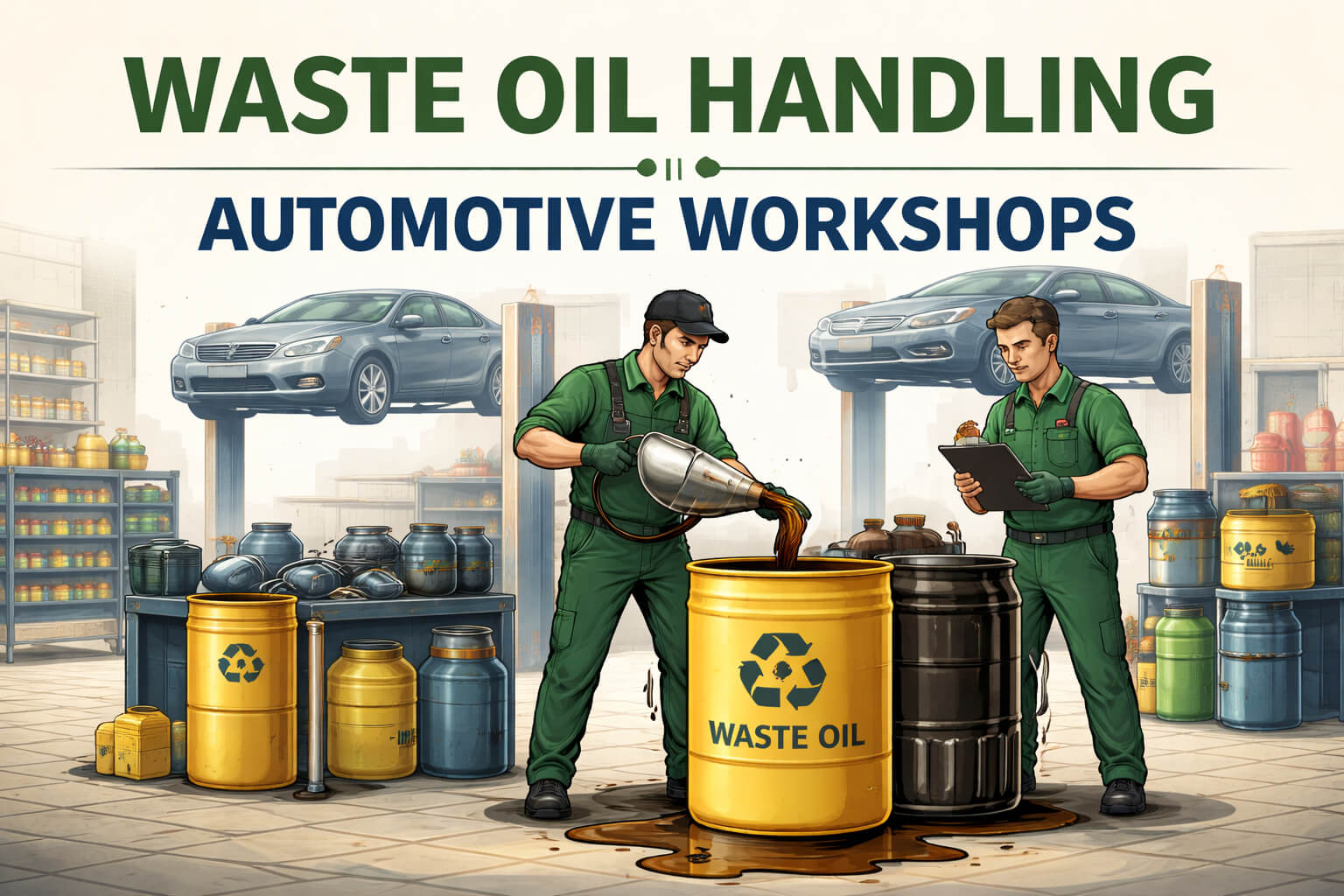
Why Waste Oil Handling Matters More Than You Think
Every automotive workshop—whether a small garage or a large service center—generates waste engine oil as part of daily operations. From engine oil changes to equipment maintenance, managing this byproduct is unavoidable.
But waste oil handling is not just a routine task. It directly impacts:
Improper handling can lead to contamination, safety hazards, and legal risks. On the other hand, a well-structured system helps your workshop run cleaner, safer, and more professionally.
What is Waste Oil in Automotive Workshops?
Waste oil typically includes:
These fall under Hazardous Waste, meaning they require controlled storage, handling, and disposal practices.
Why Proper Waste Oil Handling is Critical
1. Environmental Protection
When waste oil is dumped or leaked, it can contaminate:
Even small quantities can contribute to Water Pollution, affecting ecosystems and public health.
2. Workplace Safety
Oil spills increase the risk of:
Maintaining a clean handling system reduces these risks significantly.
3. Regulatory Compliance
Waste oil is strictly regulated in most regions. Non-compliance can result in:
Following proper handling procedures ensures your workshop stays compliant and audit-ready.
4. Professional Image & Efficiency
A clean, well-managed workshop builds:
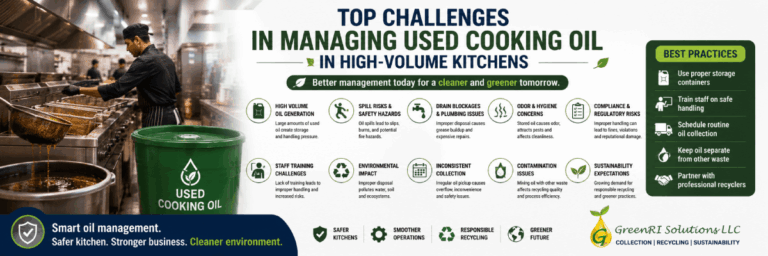
Common Challenges in Automotive Workshops
Many workshops struggle with:
These issues not only create inefficiencies but also increase risk exposure.
Best Practices for Waste Oil Handling
1. Use Proper Storage Containers
Proper storage is the foundation of safe handling.
2. Segregate Different Types of Oil
Do not mix:
Segregation prevents contamination and improves recycling efficiency.
3. Prevent Spills and Leaks
4. Train Your Staff
Ensure your team understands:
5. Maintain a Clean Handling Area
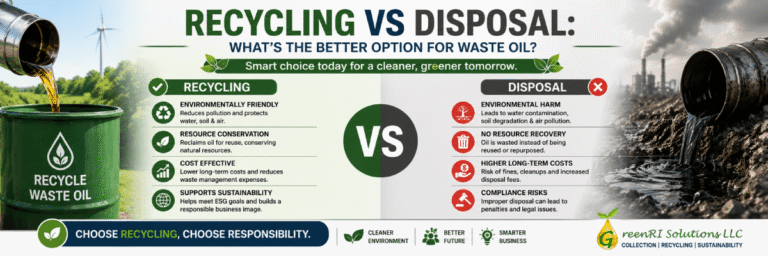
The Role of Recycling in Waste Oil Management
Instead of treating waste oil as a problem, workshops can view it as a resource.
Through proper processing, used oil can be:
This supports the principles of a Circular Economy, where waste is transformed into valuable resources.
When Should Workshops Consider Professional Handling Support?
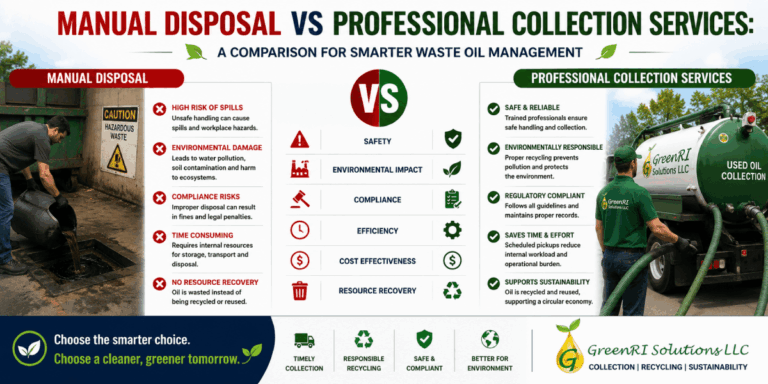
As operations grow, managing waste oil internally becomes more complex.
You may need structured support when:
A professional system ensures consistency, safety, and scalability.
Common Mistakes to Avoid
Avoiding these mistakes can drastically improve safety and efficiency.
Encouragement to Explore Better Solutions
Managing waste oil efficiently is not just about compliance—it’s about building a smarter, safer, and more sustainable workshop.
If your operations are expanding or facing handling challenges, it may be time to explore structured solutions that simplify storage, handling, and collection processes.
A well-managed system not only reduces risks but also improves overall workshop performance.
Build a Safer and More Efficient Workshop
Waste oil handling is a critical part of automotive workshop operations. With the right practices in place, you can:
By treating waste oil management as a priority—not an afterthought—you position your workshop for long-term success.
Simplify Waste Oil Handling with GreenRi Solutions LLC
Managing waste oil doesn’t have to be complicated or time-consuming. With GreenRi Solutions LLC, automotive workshops can streamline the entire process—from safe collection to responsible recycling.
Our tailored used engine oil collection services are designed to:
If your workshop is generating waste oil regularly, partnering with a reliable collection and recycling service can make a significant difference.
Get in touch with GreenRi Solutions LLC today to explore a structured, efficient, and compliant approach to waste oil management.