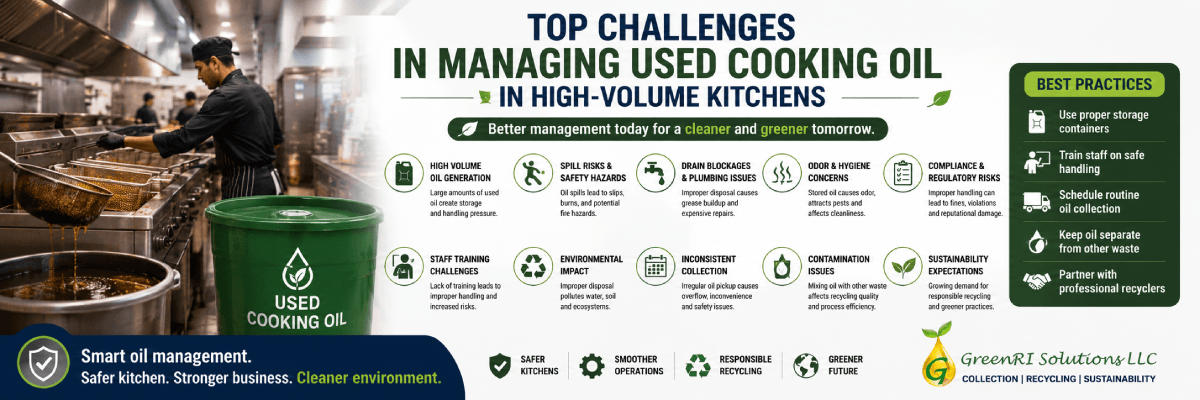
Top Challenges in Managing Used Cooking Oil in High-Volume Kitchens
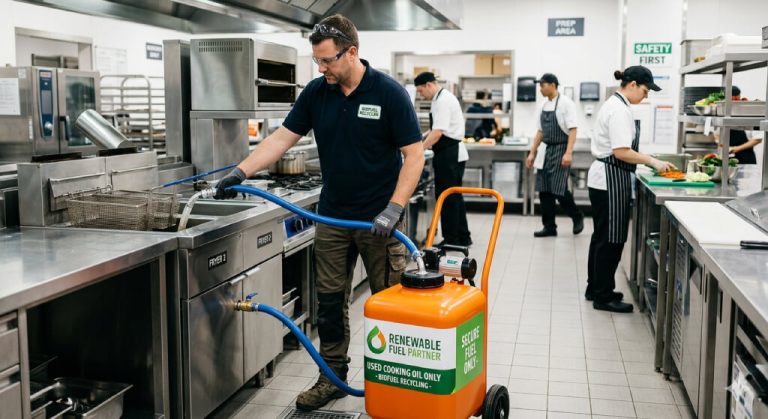
Understanding the Operational Difficulties of Used Cooking Oil Management
High-volume kitchens such as restaurants, hotels, catering facilities, cloud kitchens, and food processing operations generate large amounts of used cooking oil every day. While cooking oil is essential for food preparation, managing the waste oil that remains after continuous frying operations can become a major operational challenge.
Without proper systems in place, used cooking oil can create:
As kitchen operations scale, the complexity of handling oil waste increases significantly. Businesses that understand these challenges are better positioned to improve operational efficiency and maintain safer working environments.
High Volume Oil Generation Creates Storage Pressure
One of the biggest challenges in commercial kitchens is the sheer quantity of oil generated daily.
Large-scale frying operations produce significant volumes of:
When storage systems are inadequate, kitchens may experience:
Limited space in busy kitchens often makes oil storage management difficult, especially during peak operational periods.
Spill Risks and Workplace Safety Concerns
Used cooking oil can create dangerous working conditions when not handled properly.
Common safety risks include:
Busy kitchen environments increase the likelihood of accidents, especially when staff are rushing during service hours.
Maintaining safe oil handling procedures is critical for workplace safety and operational continuity.
Drain Blockages and Plumbing Problems
Improper oil disposal remains a common issue in commercial kitchens.
When oil enters drainage systems, it can contribute to:
Over time, these issues can affect broader Sewer System infrastructure and increase maintenance costs for businesses.
Managing Odor and Hygiene Issues
Stored used cooking oil can produce unpleasant odors if left unmanaged for extended periods.
Poor oil handling practices may also contribute to:
Maintaining hygiene is especially important in hospitality and food service environments where cleanliness directly impacts customer perception and operational compliance.
Inconsistent Oil Handling Procedures
Many kitchens lack standardized systems for:
Without clear procedures, businesses often experience:
Establishing structured handling protocols is essential for smoother operations.
Staff Training Challenges
Kitchen staff are typically focused on food preparation and service efficiency. As a result, waste oil handling may not always receive proper attention.
Common issues include:
Proper training helps reduce workplace risks and improves overall waste management practices.
Environmental Responsibility and Pollution Risks
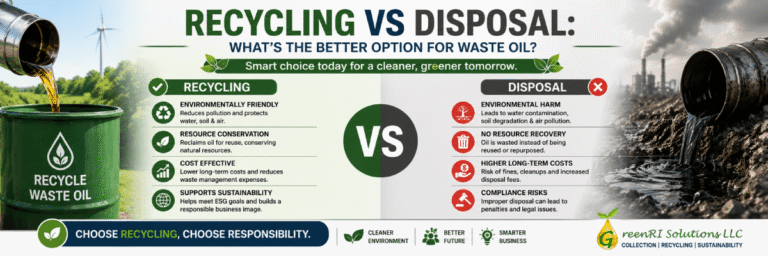
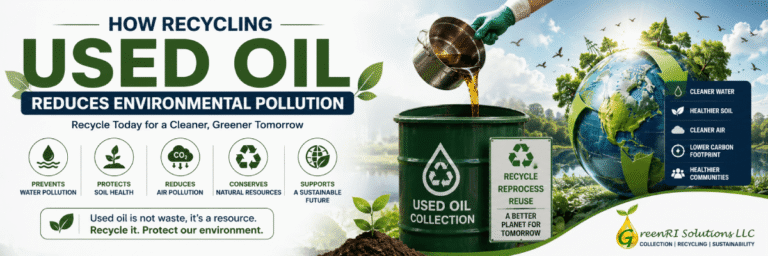
Improper disposal of used cooking oil contributes directly to environmental pollution.
Oil waste entering drains or open land areas can lead to:
This contributes to broader Water Pollution concerns and increases environmental cleanup challenges.
Businesses are increasingly expected to adopt environmentally responsible waste management practices.
Compliance and Regulatory Pressures
Commercial kitchens must comply with waste handling and environmental regulations.
Failure to manage oil waste properly can result in:
As sustainability regulations become stricter, businesses need more organized oil handling systems to remain compliant.
Difficulty Scheduling Timely Oil Removal
In high-volume kitchens, waste oil accumulates quickly.
Without regular collection schedules, businesses may face:
Efficient scheduling becomes increasingly important as kitchen operations expand.
Oil Contamination Issues
Used cooking oil must often remain separated from:
Contaminated oil can complicate recycling processes and reduce recovery efficiency.
Maintaining clean segregation systems helps improve overall waste management performance.
Rising Sustainability Expectations
Customers, stakeholders, and regulators increasingly expect businesses to adopt sustainable operational practices.
High-volume kitchens are under growing pressure to:
This has made structured oil recycling programs more important than ever.
Best Practices for Overcoming Used Cooking Oil Management Challenges
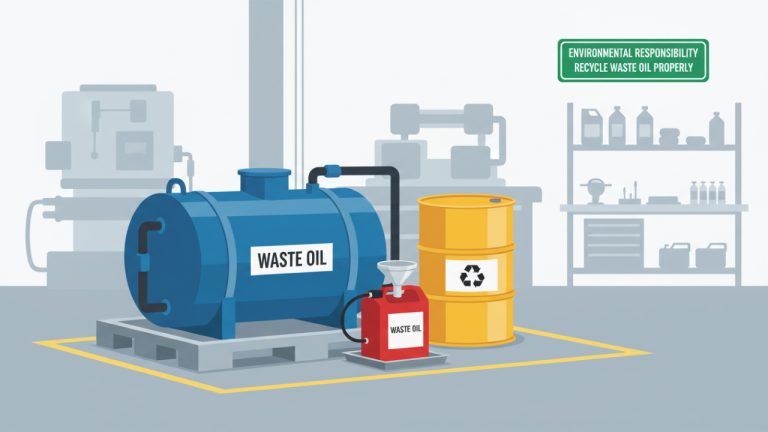
Implement Dedicated Storage Systems
Train Staff Regularly
Provide guidance on:
Maintain Routine Collection Schedules
Regular collection helps:
Keep Oil Separate from Other Waste
Avoid mixing used cooking oil with:
This improves recycling efficiency and reduces contamination risks.
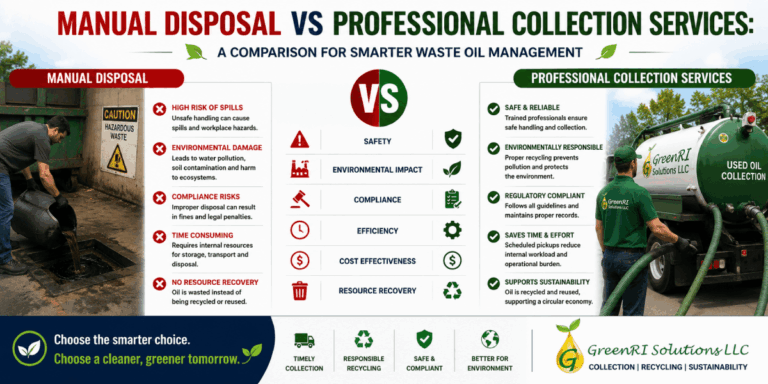
Partner with Professional Collection Services
Working with experienced oil collection providers simplifies handling, improves operational efficiency, and supports environmentally responsible recycling practices.
Why Structured Oil Recycling Matters
Efficient oil management is not just about disposal—it is about sustainability and operational improvement.
Recycling supports the principles of a Circular Economy, where waste materials are recovered and reused instead of discarded.
This helps businesses:
Encouragement to Explore Smarter Oil Management Solutions
As kitchen operations grow, managing used cooking oil becomes increasingly complex. Businesses that adopt structured handling and recycling systems can significantly improve safety, efficiency, and sustainability.
A proactive approach to oil waste management helps create cleaner, safer, and more organized kitchen operations.
Simplify Used Cooking Oil Management with GreenRI Solutions LLC
Managing large volumes of used cooking oil in busy kitchen environments can quickly become difficult without the right support system.
With GreenRI Solutions LLC, businesses can streamline used cooking oil collection and recycling through dependable and professionally managed solutions.
Our services help high-volume kitchens:
Whether you operate a restaurant, hotel, catering facility, cloud kitchen, or food processing unit, GreenRI Solutions LLC provides customized collection and recycling solutions designed to support your operational needs.
Connect with GreenRI Solutions LLC today to build a cleaner, safer, and more sustainable used cooking oil management system.